Playing the piano has always been one of my greatest joys. There's something magical about bringing notes on a page to life with your own hands. But for a while, that magic was fading. I found myself increasingly struggling with reading sheet music. It wasn't about understanding the theory; it was literally about seeing the notes clearly on the page. My eyes just couldn't keep up, and it was turning my beloved hobby into a source of frustration. If you've ever found yourself squinting at a grand staff, leaning closer and closer to the music stand, or missing crucial sharps and flats because they just blend into the background, then you know exactly how I felt.
It started subtly. I'd occasionally misread a note, blaming it on fatigue or a bad day. But soon, it became a regular occurrence. My computer glasses, which worked perfectly for staring at screens all day, just weren't cutting it for the specific distance and focus needed for the piano. The music stand felt miles away, and the intricate details of the score, especially in more complex pieces, became a blurry mess. I’d try to compensate by memorizing more, but that felt like a workaround, not a solution. My practice sessions became less about musical expression and more about eye strain and deciphering tiny symbols.
I felt stuck. My progress slowed, and the joy of learning new pieces diminished. I knew I needed a real solution, something beyond just hoping my eyes would magically improve. The physical act of reading sheet music had become a significant barrier, and I was determined to find a way to make piano playing enjoyable again.
My journey to clear vision at the piano wasn't a single "aha!" moment, but a series of discoveries and adaptations. Here’s what I found truly helped me:
Initially, I thought it was just a matter of "getting older." But I soon realized that professional advice was paramount. I wasn't just looking for a general prescription; I needed something tailored. I learned that our eyes often need different corrections for different distances – one for far-off objects, one for reading up close, and often, a specific one for computer monitors. It turns out, playing the piano falls into its own unique category!
I took a friend's advice and measured the exact distance from my eyes to the music desk while sitting comfortably at my piano. It sounds simple, but it was a game-changer. When I explained this specific distance and my difficulty with seeing sheet music to my optometrist, they were able to craft an "in-between" prescription just for that sweet spot. This wasn't my distance prescription, nor my close-up reading one; it was specifically for my piano-playing distance. The difference was immediate and profound. Suddenly, the notes were crisp, the lines sharp, and the entire page came into focus without any strain.
While my custom glasses were a huge step forward, I also explored digital solutions, and they offered another layer of flexibility. I invested in a really big tablet – not just any tablet, but one with a screen size comparable to a standard music book. I then started using music score software like Musescore or Sibelius. This allowed me to import PDF versions of my sheet music.
The beauty of digital scores is the ability to customize. I could set the size of the notes to something incredibly comfortable, zooming in as much as I needed without losing clarity. The auto-scroll feature was another revelation; no more awkward page turns in the middle of a flowing piece! While even the largest tablets, like a 12.9-inch iPad, are often about the same size as most music books, I also discovered that some laptops, as large as 17 inches, can fold all the way backward to sit flat on a music stand. This offers an even larger display area, which can be incredibly helpful for complex scores. The backlighting of a screen also helps in dimly lit practice rooms, making it easier to read without external lamps.
Sometimes, the simplest solutions are the most effective. For certain pieces, especially those I was working on intensely, I found that photocopying and enlarging the sheet music was a surprisingly practical option. It meant more paper, but for a challenging section or a piece with particularly small print, having an oversized version made a real difference. It's a bit more effort in terms of printing and managing the paper, but for specific needs, it’s a quick and easy fix that doesn't require any new tech or prescriptions.
Even with a custom prescription for piano, I found that having versatile and comfortable reading glasses for general use, and as a backup, was incredibly beneficial. As I've gotten older, my close-up vision for various tasks, not just piano, has become more challenging. This led me to explore different types of reading glasses. I discovered Mozaer Glasses and found their selection to be both stylish and functional.
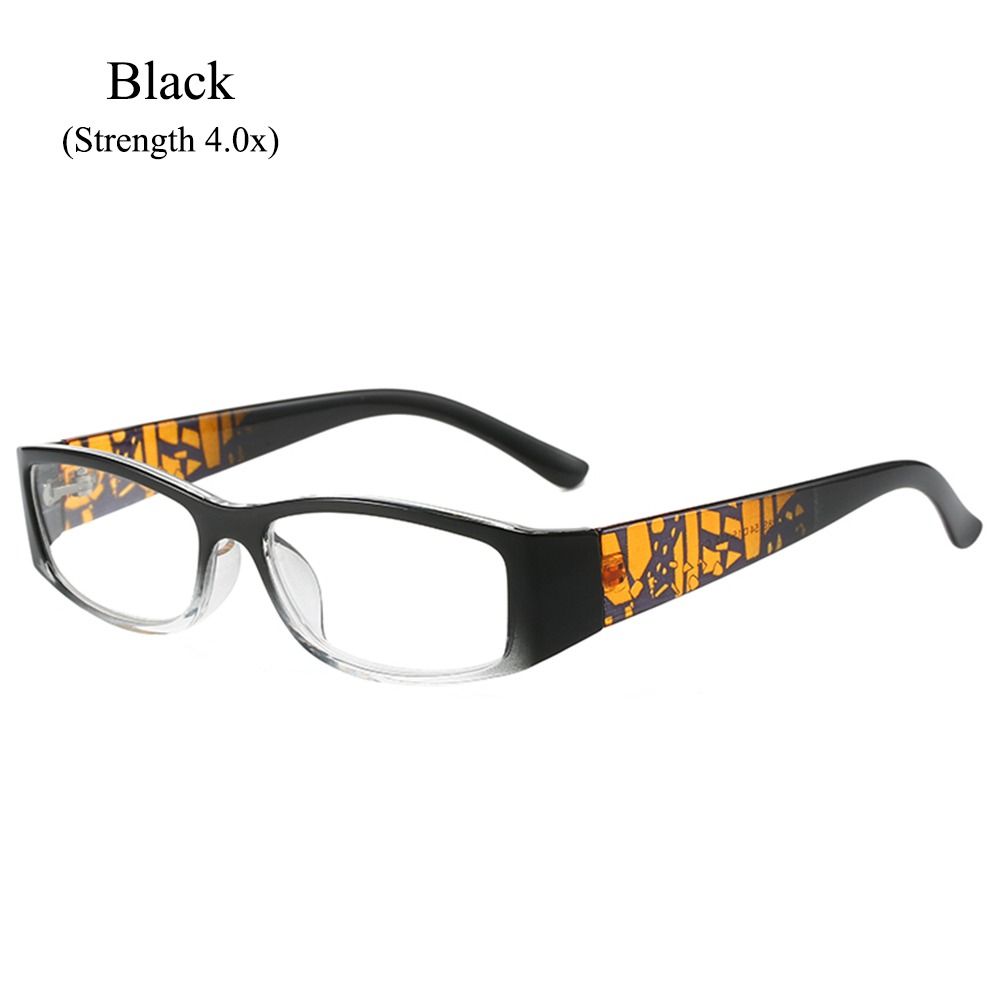
I particularly liked the Women Stylish Reading Glasses with a Vintage Printed Square Frame. The spring hinge design made them incredibly comfortable for long periods of wear, which is crucial whether you're reading a book or practicing scales. The anti-glare feature was also a huge plus, reducing eye strain from both natural light and screen reflections. These presbyopic glasses, like the +100 strength I tried, offered clear vision for everyday reading tasks, complementing my specialized piano glasses perfectly. They proved that having the right pair of reading glasses, even for general purposes, can significantly improve daily visual comfort and reduce fatigue.
For anyone looking to upgrade their reading experience, especially with stylish and functional eyewear, I found a fantastic selection at Mozaer Glasses where I explored various options that improved my daily visual comfort significantly. They offer choices that can truly make a difference in how clearly and comfortably you see the world around you, whether it's for reading a book or tackling a challenging piece of music.