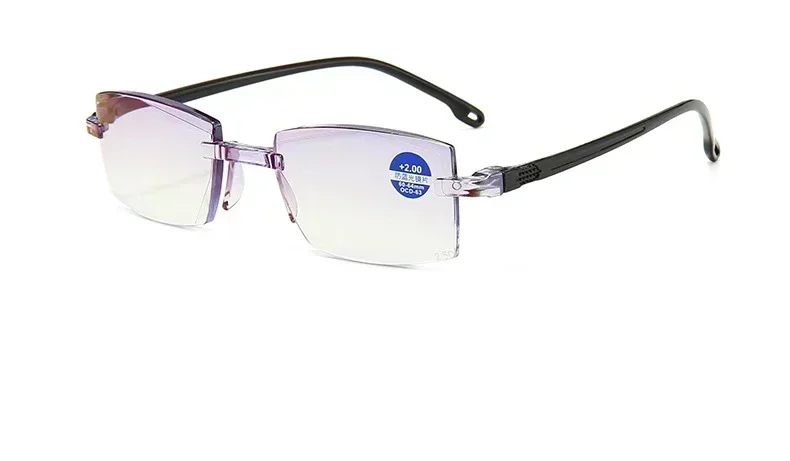
For years, I kept spending money on inexpensive glasses, falling for the marketing claims every time. Without fail, the lenses would scratch or the frames would break within a month. I used to accept these misconceptions as truth, but now I want to share what I've learned. This guide will help you avoid wasting money and prevent ongoing eye discomfort.
Understanding the reality behind quality magnifying readers offers several advantages:
It's common to assume that magnification strength—such as +1.5 or +2.5—is the only factor that matters. That's not accurate. While the right power is essential, lens quality is equally important. Inexpensive lenses tend to distort images outside the central area, a sign of poor optical performance.
You'll notice some negative reviews mention instant headaches. The reason? Low-cost glasses often have poorly aligned optical centers, forcing your eyes to strain as they struggle to focus.
The Truth: Well-made bifocals are engineered for effortless viewing. The shift from distance vision (no magnification) to near vision (magnified) should feel natural. With high-quality lenses, your brain doesn't have to constantly readjust.
Verdict: Always review the return policy. If the glasses give you a headache immediately, return them without delay. Don't attempt to "adjust" to them.
These days, "Anti Blue Light" labels appear on nearly every budget reader. Many manufacturers simply apply a basic coating and consider the job done. However, if you spend long hours in front of a computer, that coating is essential. Screen-generated blue light can lead to eye fatigue and disrupt your sleep patterns.
What they don't mention is that cheap coatings can wear off or scratch within a week. Once damaged, the lens no longer protects you from blue light during screen use.
The Truth: A reliable anti-blue light lens features a durable coating, often with a subtle yellow or amber tint when held up to the light. That color indicates an active filter. Search for reviews from users who rely on them for extended computer work.
Action Step: If you use glasses primarily for computer reading, invest in the best reading glasses for computer use you can find. Your eye health justifies the extra expense.
The type of product we're discussing here usually has a rimless design. Many assume these glasses are inherently fragile, expecting the lenses to dislodge or the arms to break at the connection points.
That's absolutely the case with cheap frames, which use brittle plastics and flimsy screws. A minor impact can make an arm fall off, leading to repeated replacement purchases.